Understanding Land Demarcation in Kenya
You’ve probably heard stories like this one: a buyer purchases a plot, clears the land, and begins construction only to have a neighbor arrive with survey documents showing the new foundation sits three meters over the boundary line. What follows is months of tension, halted construction, and costly legal mediation. These situations rarely happen because someone acted in bad faith. More often, they occur because the physical boundaries on the ground never matched the lines on paper. This is where land demarcation becomes more than a technical step it becomes your first line of protection.
What Land Demarcation Really Means
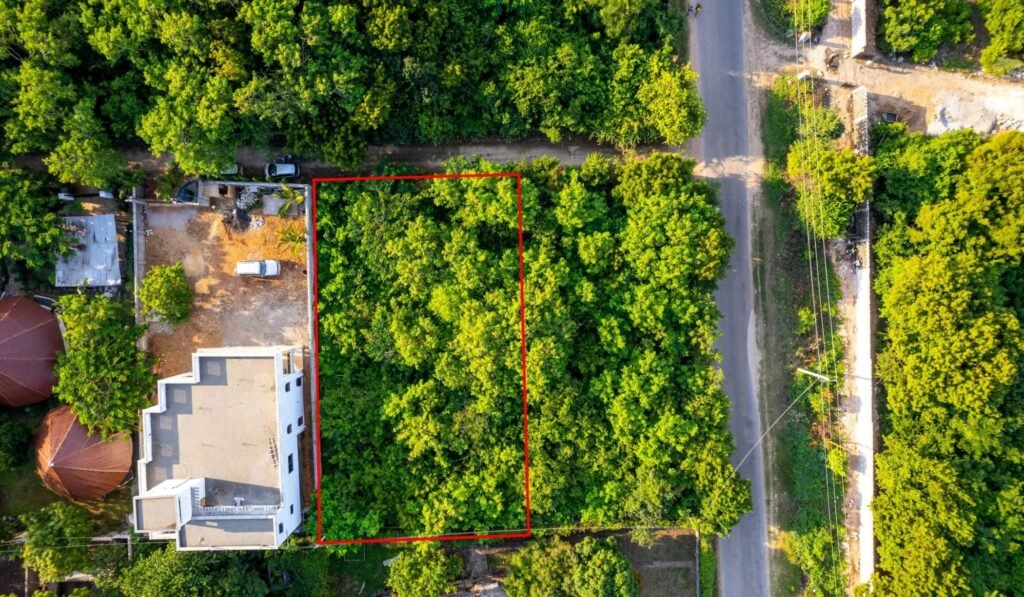
Land demarcation is the physical marking of a plot’s boundaries on the ground, based on official survey records. It transforms abstract coordinates on a title deed into visible, agreed-upon lines—usually marked with beacons, pegs, or concrete posts. In Kenya, a title deed describes a property’s dimensions and coordinates, but without proper demarcation, those descriptions remain theoretical. You cannot see a coordinate. You can see a beacon.
Demarcation matters especially in areas undergoing rapid development. As neighborhoods grow denser in places like Nairobi’s periphery, Machakos, or the North Coast, unclear boundaries become flashpoints. A properly demarcated plot gives you certainty about exactly what you own, where you can build, and where your responsibility ends. It also provides a reference point for future buyers, neighbors, and county officials approving construction plans.
When Demarcation Is Missing or Faulty
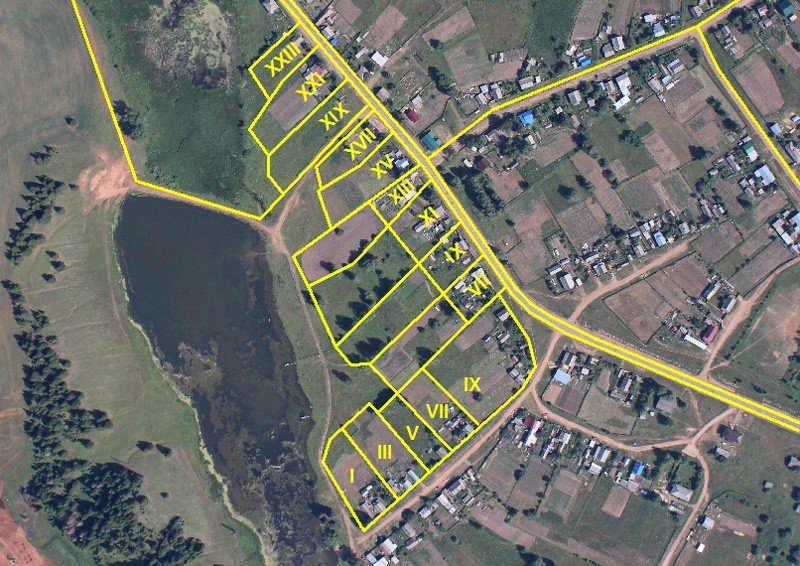
Skipping demarcation verification or accepting vague descriptions like “next to the big tree” or “behind the red-roofed house” invites problems:
- Boundary disputes: Without visible markers, neighbors may gradually extend fences or plant crops across your land, creating de facto claims over time.
- Construction setbacks: County governments require proof of boundaries before approving building plans. Undemarcated land delays or halts development.
- Title complications: During transfer, a new survey may reveal the physical plot doesn’t match the title description, stalling the entire transaction.
- Reduced resale value: Future buyers will discount or avoid land with unclear boundaries, limiting your exit options.
Demarcation isn’t a one-time event either. Beacons can be moved, washed away, or removed. Reputable sellers reconfirm boundaries before each sale, comparing current ground markers with the original survey plan registered at the Ministry of Lands.

How LANDS KENYA Handles Demarcation and Verification
Since 2015, LANDS KENYA has built its process around eliminating these uncertainties. We specialize in verified residential and commercial land across Kenya, and verification includes confirming that physical demarcation aligns with official records. Before any plot is listed, our team conducts on-ground checks to ensure beacons are present, intact, and match the survey plan attached to the title deed.
This attention to detail has supported over 12 billion USD in land transactions and helped more than 1.4 million clients complete purchases with confidence. We don’t consider a plot “verified” unless its boundaries are physically identifiable and legally sound. For buyers unfamiliar with survey plans or beacon identification, our agents walk the perimeter during site visits, explaining boundaries and answering questions about adjacent land use. This transparency from the start prevents misunderstandings later.

Buying Land with Demarcation in Mind
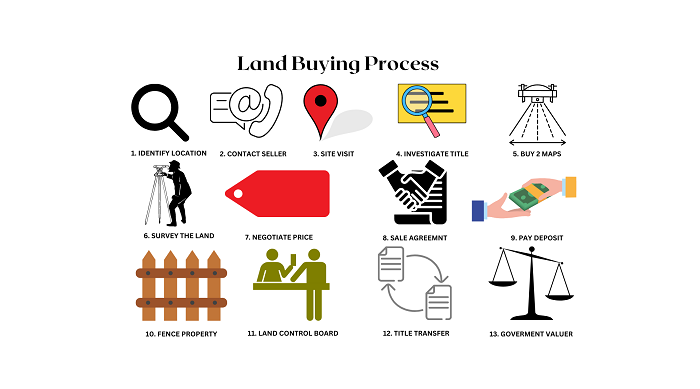
A responsible purchase process gives demarcation its proper place:
- Review the survey plan: Ask for the official survey map attached to the title. Note the beacons’ reference numbers and coordinates.
- Visit the site: Walk the entire perimeter. Confirm all beacons are present and undisturbed. Take photographs.
- Verify alignment: Cross-check beacon positions with the survey plan. Reputable agents will assist with this step.
- Check neighbor awareness: In settled areas, neighbors often know boundary histories. Their informal confirmation can provide useful context.
- Complete transfer: Once satisfied, proceed with payment and official transfer. The existing demarcation becomes part of your ownership record.
If beacons are missing or damaged, insist on a fresh survey before purchase. The modest cost prevents far larger expenses down the road.
Your Land, Clearly Defined
Land demarcation may seem like a small detail in the excitement of buying property. But it is the physical expression of your legal rights. Clear boundaries mean peaceful ownership, smoother development, and stronger resale value. They turn a piece of paper into a place you can confidently call your own.
Whether you’re looking at residential land in Kenya’s growing towns or commercial plots near transport corridors, start with what you can see on the ground. Match it to what’s written on the title. When those two align, you have the foundation for a sound investment.
If you’re considering land for sale in Kenya, begin with verification. Browse demarcated, ready-to-transfer plots at lands.co.ke, email sales@lands.co.ke with questions about specific locations, or arrange a guided site visit to see boundaries firsthand. Good land exists across Kenya. The right approach ensures you buy it with clarity and confidence.